"Dedicated to providing clarity in complex legal environments."
Read My InsightsOtong Michael Favour is a dedicated legal and tax proffesional specializing in Alternative Disbute Resolution(ADR) and taxation, with a strong commitment to delivering practical innovative solutions at the intersection of law and finance. An Associate of the Chattered Institute of rbitrators (CIArb), trained by CIArb Kenya through the Uganda Chapter, he brings solid expertise in arbitration, mediation, and negociation, enabling the efficient and equitable resolution of disputes.
His taxation practice was shapped through experience at Godena Associates, one of Uganda's leading tax-specialized law firms, where he gained hands-on experience in tax advisory, compliance, and dispute resolution. He is well-versed in Uganda's tax framework, including the Tax procedures Code Act, and Practical exposure to regional tax jurisprudence.
Currently, Otong is Pursuing a Master of Business administration (MBA) with a focus of Finance and Taxtion, strengthening jis understanding of financial strategy, tax planning and optimization. He is also undertaking a Diploma in Tax and Revenue Adminstration (DITRA) at East African School of Taxation, further enhancing his competence in tax policy, revenue mnagement and regulatory compliance.
Driven by excellence, collaboration and innovation, Otong is passionate about delivering impactful results whether resolving complex tax disputes or facilitating ambicable settlements through ADR. He welcomes opportunities in arbitration, tax advisory, and financial strategy, and is eager to connect with proffessionals across law, finance and ADR in Africa and beyond to explore meaningful collaboration and effective solutions.
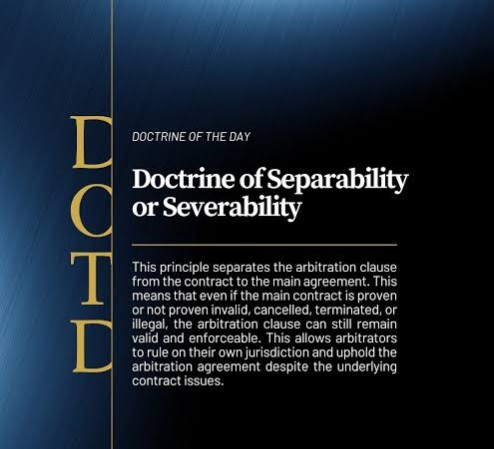
Introduction What happens to an arbitration clause when the contract containing it expires? This question was recently considered by the High Court of Uganda in Strabag International GmbH v Ukutulu Limited [2026] UGHC 754, a decision that reinforces the importance of the doctrine of separability in Uganda’s arbitration jurisprudence. The Court confirmed that the expiry […]
Read Full Article →
Background The case concerned the statutory time within which the Uganda Revenue Authority (URA) is required to make and serve an objection decision following a taxpayer’s objection to a tax assessment.Munyanga Development Limited had lodged an objection but URA did not serve an objection decision within the statutory 90-day period. Upon expiry of the period, […]
Read Full Article →
Most of us have a default way of dealing with conflict. When a disagreement comes up at work, in business, in a family meeting, or even during a negotiation, some people immediately push to get their way. Others would rather keep quiet and avoid confrontation. Some give in quickly because they value peace. Others look […]
Read Full Article →
In today’s increasingly regulated business environment, taxation is no longer merely a statutory obligation; it has become a critical component of sound corporate governance and strategic business management. Every business, regardless of its size or industry, operates within a legal framework that requires it to account for its tax obligations accurately and in a timely […]
Read Full Article →
Introduction Agriculture remains the cornerstone of Uganda’s economy, accounting for a substantial share of employment, exports, and rural livelihoods. In recent years, the sector has witnessed increased commercialisation, with investors, cooperatives, and farming enterprises adopting corporate structures to facilitate growth, access financing, and improve governance. Whether engaged in coffee cultivation, livestock farming, horticulture, grain production, […]
Read Full Article →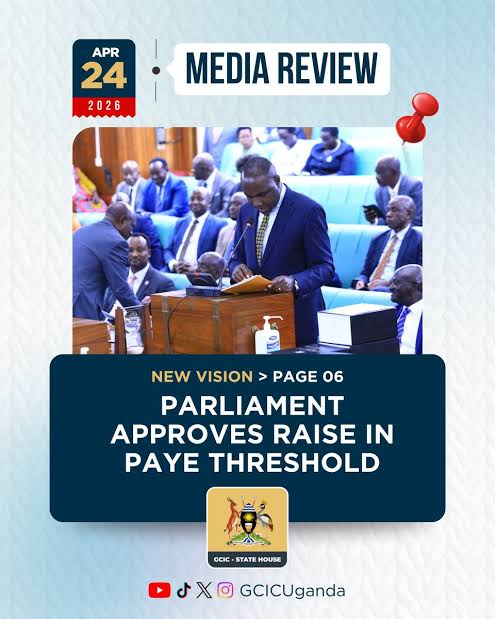
The new PAYE threshold The Income Tax (Amendment) Act, 2026 represents a significant step in Uganda’s ongoing efforts to balance revenue mobilisation, taxpayer protection, and economic growth. While Government initially proposed several aggressive tax measures aimed at widening the tax base, Parliament ultimately moderated many of these proposals, resulting in a more balanced legislative outcome. […]
Read Full Article →